

Nelmari Oosthysen, owner of A Peace of Art, says, “Stained glass is more than just a creative hobby, it is a mindful, calming practice that invites stillness, focus, and appreciation for light and colour. At A Peace Of Art, we believe in creative expression as a form of personal balance, and stained glass embodies this philosophy beautifully.”
Working with glass encourages patience, presence, and gentle persistence. Each piece becomes a quiet reflection of time, intention, and creativity. In this article, Nelmari shares her journey with stained glass, from a hobbyist’s point of view, exploring its history, tools, techniques, and the peaceful satisfaction it brings.
What Is Stained Glass Artwork?
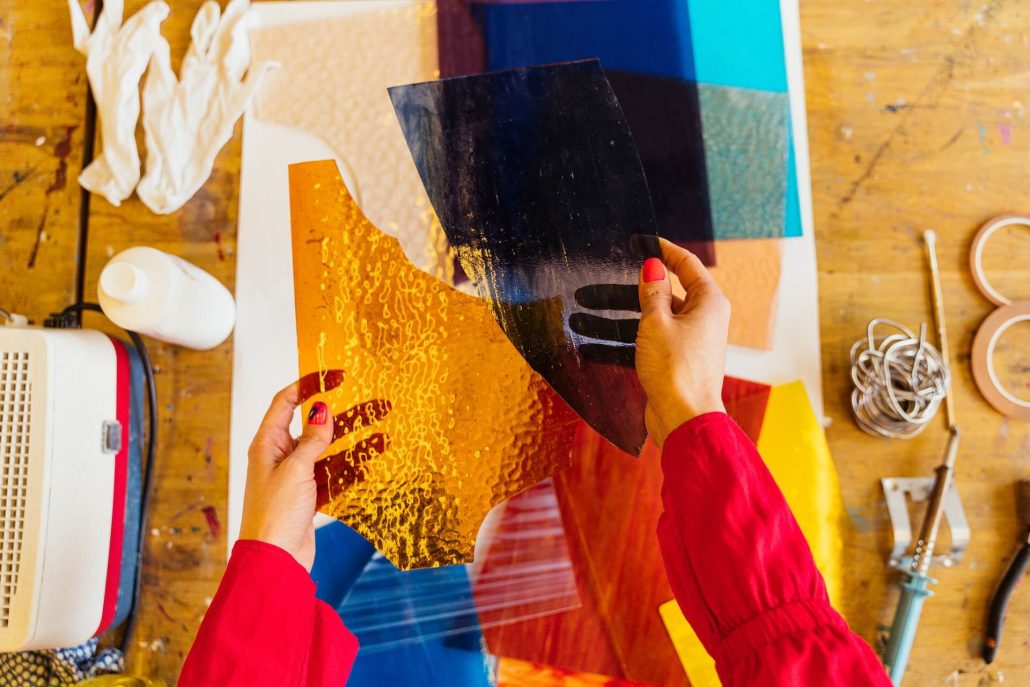
Stained glass artwork is created by arranging coloured, textured, or clear glass into a design and joining the pieces with metal, usually copper foil or lead came, and solder. When light passes through the glass, the artwork becomes alive, revealing layers of colour, depth, and texture.
Unlike many other art forms, stained glass depends on natural light. A piece may look different in the morning, at midday, and at sunset. This ever-changing quality makes each artwork feel alive and deeply connected to its environment.
Modern stained glass can be found in sun catchers, window panels, lampshades, mirrors, and decorative installations. Each project is unique, reflecting both the artist’s vision and the natural variations in glass.
The Origins of Stained Glass Artwork
The origins of stained glass art date back more than a thousand years. Early forms appeared in Roman and Byzantine architecture, but the craft reached its height during the Middle Ages.
In medieval Europe, stained glass windows became central features in cathedrals and churches. These windows illustrated biblical stories, offering spiritual guidance and visual beauty to communities.
During the Victorian era and the Art Nouveau movement, stained glass expanded into homes and public buildings. Artists like Louis Comfort Tiffany introduced innovative styles that blended fine art with interior design.
Today, stained glass continues to evolve, combining traditional techniques with modern creativity. Thanks to accessible tools and learning resources, hobbyists around the world can now practise this historic art form at home.
Essential Tools for Stained Glass Artwork
Starting with stained glass does not require an extensive workshop. A small, well-organised space and a few reliable tools are enough to begin.
Glass and Design Supplies
Coloured and textured glass sheets
Paper patterns or printed templates
Permanent marker for tracing
Cutting and Shaping Tools
Glass cutter (oil-fed recommended)
Running pliers
Grozing pliers
Glass grinder (optional but highly beneficial)
Assembly Materials
Copper foil or lead came
Flux
Solder (tin-lead alloy)
Temperature-controlled soldering iron
Safety Equipment
Safety glasses
Protective gloves (optional)
Dust mask for grinding
Finishing Supplies
Patina solution
Polish or wax
Soft cleaning cloths
For beginners, investing in good-quality basic tools creates a smoother learning experience and supports long-term enjoyment of the craft.
The Process of Creating Stained Glass Artwork
Creating stained glass is a gentle, layered process that rewards patience and attention to
detail.
- Designing the Pattern: Every piece begins with a design. This may be hand-drawn, digitally created, or adapted from reference images. The pattern is divided into sections that guide each glass cut. Templates are printed and cut out to ensure accurate sizing.
- Cutting the Glass: Each template is traced onto the glass surface. Using a glass cutter, score lines are made, and the glass is gently broken along those lines using running pliers. With practice, this stage becomes more intuitive and satisfying.
- Grinding and Shaping: Edges are smoothed and refined using a grinder or hand tools. This step ensures that all pieces fit together neatly, improving both appearance and strength.
- Foiling or Leading
Two main joining techniques are used:
Copper Foil Method: Ideal for detailed, delicate designs and smaller projects.
Lead Came Method: Suitable for larger, traditional panels.
Most hobbyists begin with copper foil due to its flexibility and versatility. - Soldering the Joints
Flux is applied to the seams, and molten solder is flowed along the joints to secure the glass pieces. Both sides are soldered for durability. This stage transforms individual fragments into a unified artwork. - Cleaning and Finishing
After soldering, the piece is cleaned thoroughly. Patina may be applied to darken or colour the solder lines. A final polish enhances shine and protects the surface.
The Mindful Rewards of Stained Glass as a Hobby
From a hobbyist’s perspective, stained glass offers more than creative output – it provides emotional balance, mental clarity, and a sense of accomplishment.
The repetitive, focused nature of cutting, shaping, and soldering encourages mindfulness. Mistakes become lessons, and progress feels deeply personal.
Watching sunlight illuminate a finished piece is a powerful reminder of how patience and intention can shape something truly meaningful.
Final Thoughts: Shaping Light into Art
Stained glass is an art form that connects history, craftsmanship, and personal expression. Each stage – from design to polishing – invites presence and creativity.
Nelmari says, “At A Peace Of Art, we celebrate artistic practices that nurture inner calm and creative confidence. Stained glass embodies this philosophy, offering a peaceful way to transform light into lasting beauty.”
Whether you are a beginner or an experienced hobbyist, stained glass invites you to slow down, explore colour, and discover joy in the creative process.
Contact and follow A Peace of Art
A Peace of Art holds regular workshops in both Port Elizabeth and Bloemfontein. Follow them on social media to find out when the next workshop will be happening.
Facebook: @apeaceofartcreativeartsandcraftsworkshops
Instagram: @apeaceofart
Port Elizabeth: 85 Main Road, Walmer. Tel: 072 304 0797
Bloemfontein: 7 Avenham Street, Avenham. Tel: 076 192 1637
For more articles like this click here.
If you enjoyed this website then check out our other sites: Wedding and Function, Home Food and Travel, Thirsty Traveler, Boat Trips for Africa, Bargain Buys, Business Link.
Need help with your online marketing then visit Agency One.