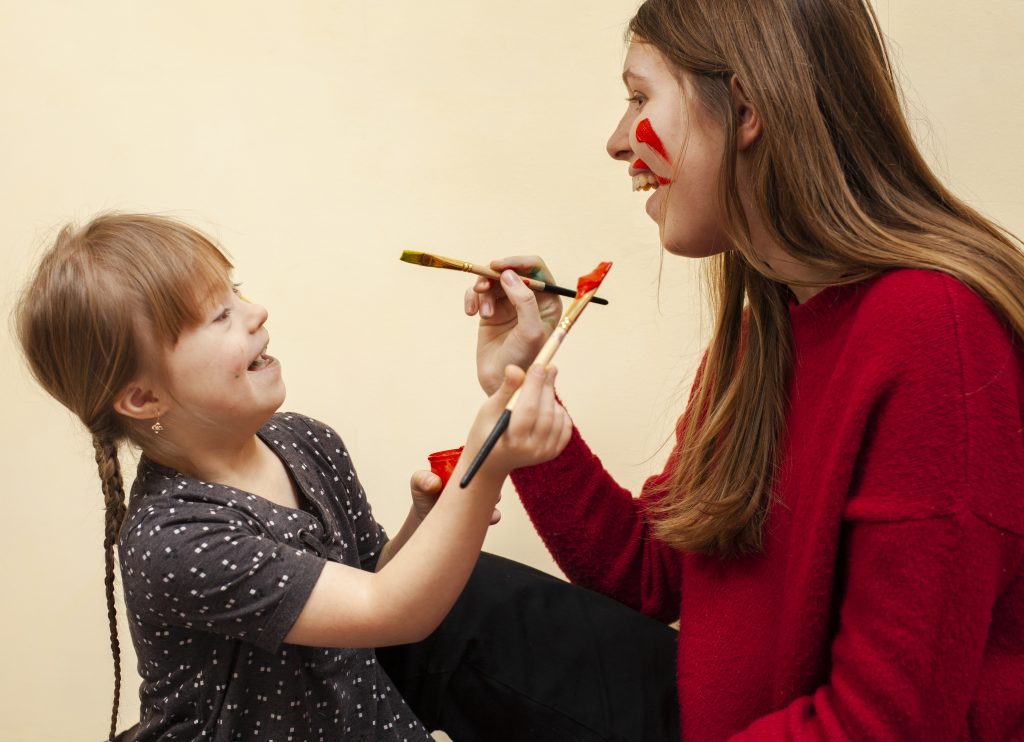

Every child deserves the chance to thrive, yet misconceptions about Down syndrome can leave families feeling unsure about how best to care for them. While Down syndrome may bring unique considerations, the essentials of love, stimulation, safety, and bonding remain the same and recognising this can make a meaningful difference in a child’s early development.
Despite widespread awareness, many families still face uncertainty about daily routines, early development, and healthcare for their child. This is why focusing on shared needs, love, safe sleep, vaccinations, and consistent bonding is important. By understanding that children with Down syndrome thrive under the same care as any infant, families can feel empowered and supported from day one.
“Parents often feel overwhelmed or unsure after a diagnosis,” says Lizeth Kruger, Dis-Chem Clinic Executive. “But at the core, your baby still needs exactly what every baby needs- affection, connection, safety and consistent care,” adds Kruger.
Love and stimulation
Early development is shaped by interaction. Talking, singing, cuddling and responsive play are essential in building cognitive and emotional foundations. These everyday moments of connection support brain development, communication skills, and social bonding.
Safe sleep practices
Safe sleep is essential for all infants. Placing children on their backs to sleep, on a firm mattress, in a clutter-free cot, significantly reduces risks and promotes overall wellbeing. Unsafe sleep environments such as placing babies on their stomachs, using soft bedding, or leaving toys and pillows in the cot, can increase the risk of sleep-related incidents, including suffocation or sudden infant death syndrome (SIDS).
Vaccination schedule
Routine immunisations protect children from preventable diseases. Following the standard vaccination schedule ensures healthy growth and strong immune protection.
Bonding and attachment
Strong emotional bonds formed through skin-to-skin contact, eye contact, and responsive caregiving help children feel secure and lay the groundwork for healthy relationships. Consistent bonding supports emotional regulation and social development.
Tailored support where needed
While the fundamentals are the same, children with Down syndrome may require additional medical monitoring or early intervention support, such as physiotherapy, speech therapy, orspecialist care.These measures enhance care without replacing the universal needs shared by all infants.
“Down syndrome does not define a child’s ability to love, learn, or thrive,” adds Kruger. “When families understand that their baby’s needs are fundamentally the same, it removes fear and replaces it with empowerment.”
By focusing on what unites all children rather than what sets them apart, caregivers can create nurturing environments where every baby can reach their full potential.
For more articles like this click here.
If you enjoyed this website then check out our other sites: Wedding and Function, Home Food and Travel, Thirsty Traveler, Boat Trips for Africa, Bargain Buys, Business Link.
Need help with your online marketing then visit Agency One.