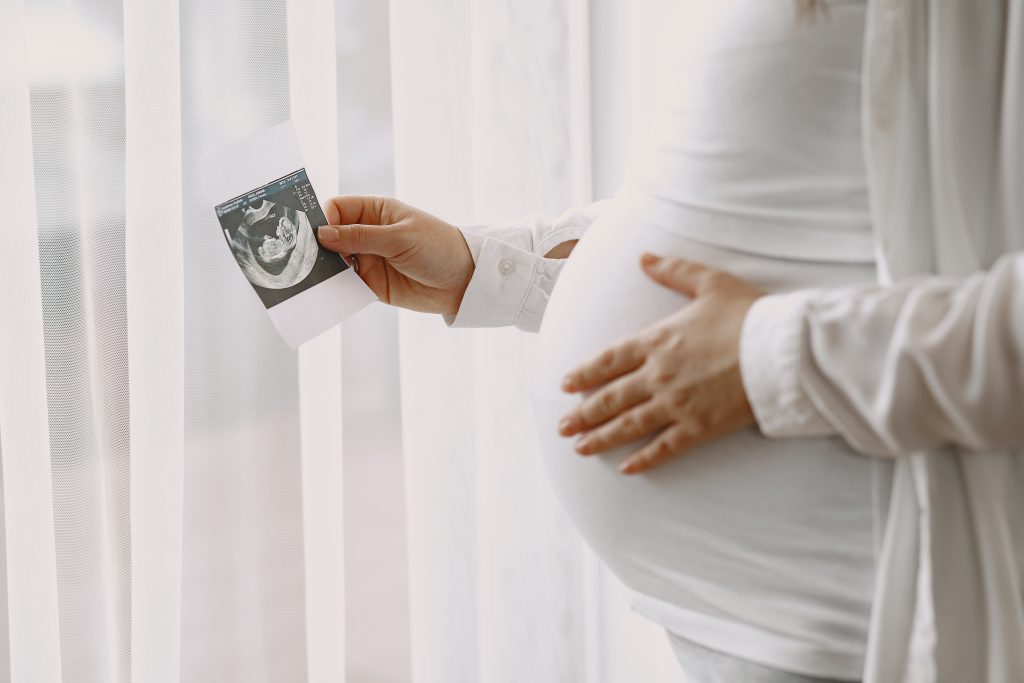
Pregnancy comes with a long list of things to prepare for: antenatal appointments, choosing a hospital, packing a hospital bag, buying tiny clothes and, eventually, figuring out how you’re going to function on very little sleep.
But there is another question expecting parents should ask before their baby arrives: what happens to my baby’s medical aid cover when they’re born?
It may seem like a straightforward question, but it is one that can catch parents off guard. Many assume that because they have medical aid and their pregnancy and maternity care are covered, their baby is automatically covered too.
The reality is that maternity benefits and newborn registration are not necessarily the same thing. The rules can differ between medical schemes and options, which is why understanding what your specific cover provides, and what you need to do once your baby arrives, is important.
Does my medical aid automatically cover my unborn baby?
This is one of the questions many first-time parents may not think to ask. While a mother may have maternity benefits that cover certain antenatal consultations, scans, tests and the delivery, that does not mean parents can simply assume their newborn has been formally added to the medical scheme.
The baby will generally need to be registered with the medical scheme after birth, and there are deadlines for doing so.
With Bonitas members for example, newborns must be registered within 30 days of birth to qualify for cover from birth without waiting periods or underwriting, subject to the applicable scheme rules. That makes the registration process something parents should understand before they head to hospital, rather than something to worry about once they are home with their new arrival.
“Pregnancy and childbirth involve a lot of planning, and medical scheme administration is easy to overlook among everything else parents are preparing for,” says Lee Callakoppen, Principal Officer at Bonitas. “Understanding your maternity benefits and knowing what needs to happen once your baby is born can help parents avoid unnecessary stress during an already busy time.”
But what happens if my baby needs medical care immediately after birth?
This is where understanding your cover becomes particularly important.
While many newborns will only need routine examinations and follow-up appointments, some babies may require additional medical attention in their first hours, days or weeks.
A newborn could need treatment for conditions such as jaundice, feeding difficulties or breathing problems, or require investigations, specialist consultations or neonatal care.
For parents, this can be an incredibly stressful experience. The last thing they want to be wondering about is whether their baby is covered or whether they will be responsible for unexpected costs.
This is why parents should speak to their medical scheme before the birth and understand exactly what happens if their baby requires medical treatment immediately after delivery.
Questions worth asking include:
- Is my newborn covered from the date of birth?
- What do I need to do to register my baby?
- How long do I have to register them?
- What happens if my baby requires emergency or specialised care before registration is completed?
- Are neonatal or intensive care services covered on my option?
- Are there specific hospitals, specialists or provider networks I need to use?
- Are any services subject to pre-authorisation?
- Could I be responsible for co-payments or other out-of-pocket costs?
- What documents will I need to register my baby?
The answers will depend on the medical scheme and option, so it is important not to rely on assumptions or advice from friends and family.
One of the easiest things to overlook
There is a tendency to think that once you’ve had one baby, you know how the process works, but medical scheme benefits, options and rules can change, and every pregnancy and birth is different.
Even parents welcoming their second or third child should take a few minutes to check their current benefits and understand what has changed since their previous pregnancy.
The goal isn’t to expect something to go wrong. It is simply to know what to do if it does.
“When parents understand what their medical scheme covers and what they need to do to register their newborn, they can approach those first few weeks with greater confidence,” says Callakoppen. “It means that if their baby does need additional medical attention, they are better prepared to focus on their child and their recovery rather than trying to navigate the administration at the same time.”
Preparing for a baby isn’t only about choosing a name, buying a pram or deciding whether you really need 14 different types of newborn clothing. It is also about understanding what happens once your baby arrives, including how their healthcare cover works.
Your best starting point is simple: speak to your medical scheme before the birth, understand your maternity benefits, ask how your newborn will be covered, and make a note of the registration deadline.
When you’re holding your newborn for the first time, the last thing you want to be doing is wondering what you were supposed to do next. A few questions before the birth could mean one less thing to worry about when baby arrives.
For more articles like this click here.
If you enjoyed this website then check out our other sites: Wedding and Function, Home Food and Travel, Thirsty Traveler, Boat Trips for Africa, Bargain Buys, Business Link.
Need help with your online marketing then visit Agency One